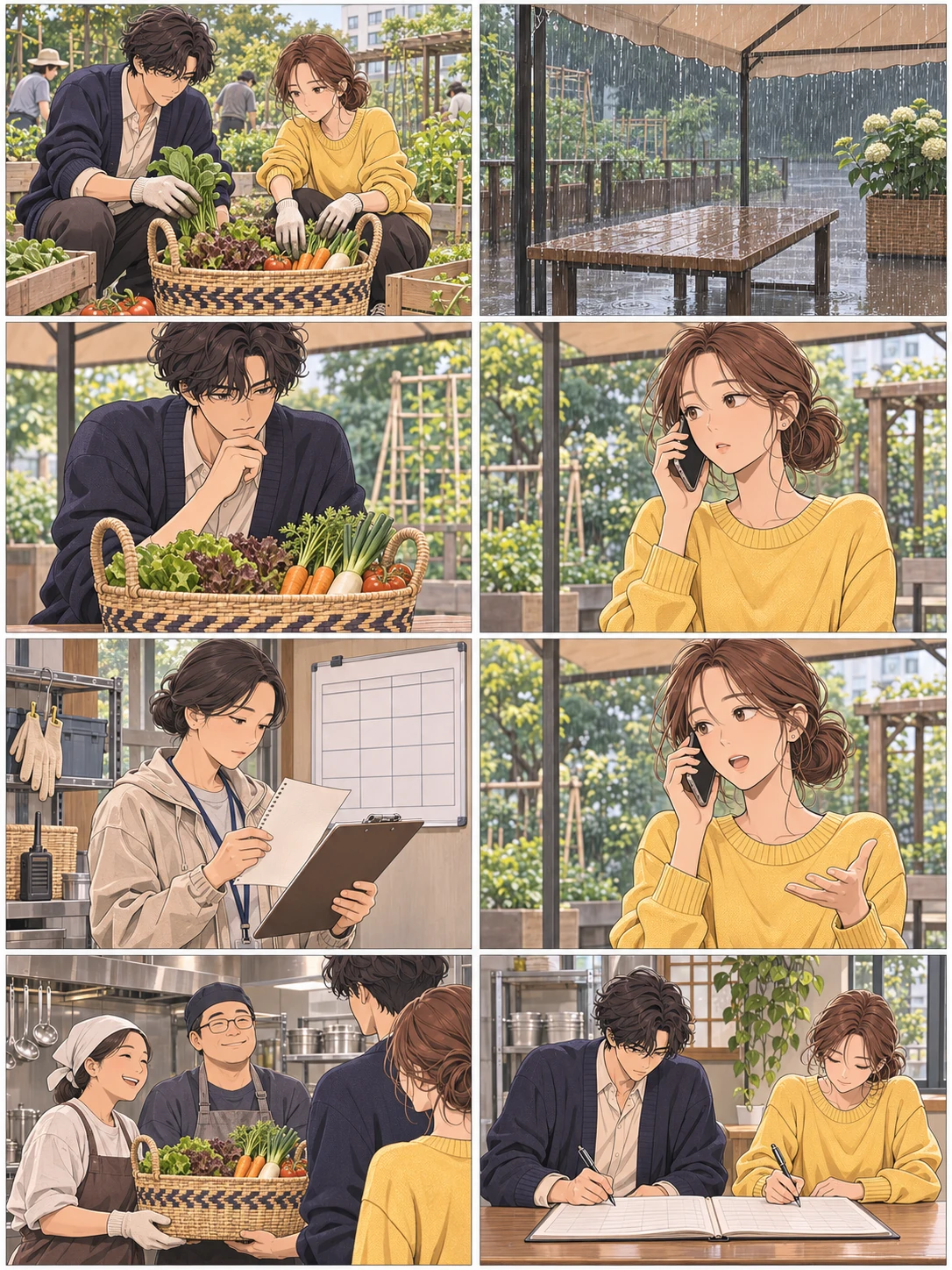
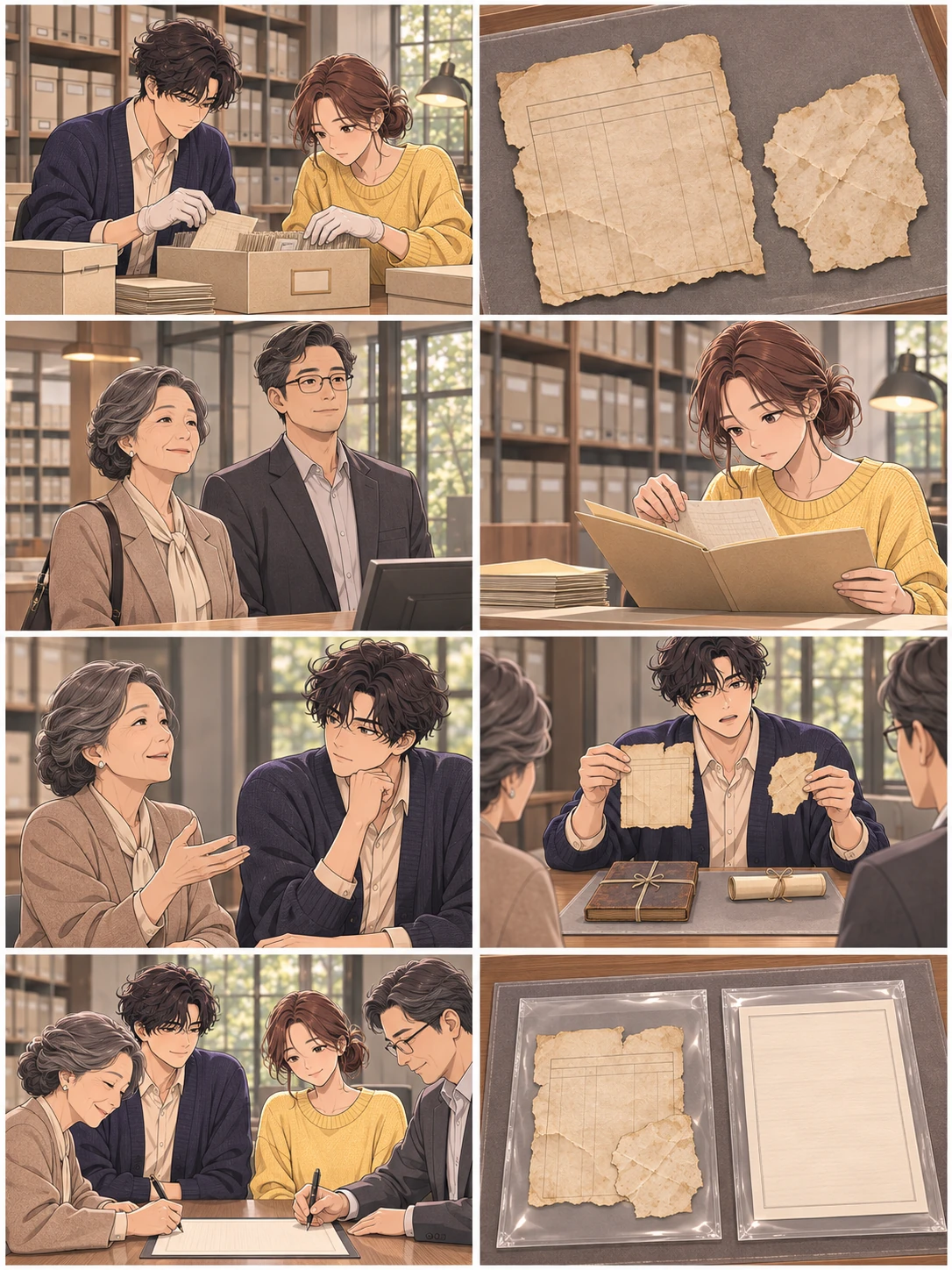
An empty pickup point did not erase the arrangement for the basket. Jin and Ara contacted the center that was meant to receive it. The center could not collect that day and agreed to send it to the community kitchen. The team checked who could take it there. When arrangements have to change, we can hear from the people affected first and record what we decide together.
A modern interpretation for this story
A question to take with you
When someone can no longer collect what was set aside for them, who should I ask, and what should I check before deciding where it goes?
Share the question together with a link to this story.
About the source and this adaptation
In Chullin 134b:3 of the Babylonian Talmud, Levi asks what to do with gleanings from a field where there are no poor people to collect them. Rav Sheshet cites a passage in Leviticus on leaving them for poor people and resident foreigners, explaining that they are not meant for ravens or bats. In these circumstances Levi may take the gleanings himself. Segments 4–5 discuss the distinction between gleanings and teruma, the portion of produce set aside for a priest. The wisdom line paraphrases segment 3. Jin, Ara, the community garden, the canceled pickup, the recipient's consent, the kitchen handoff, the record and the dialogue are modern fiction created with AI assistance.