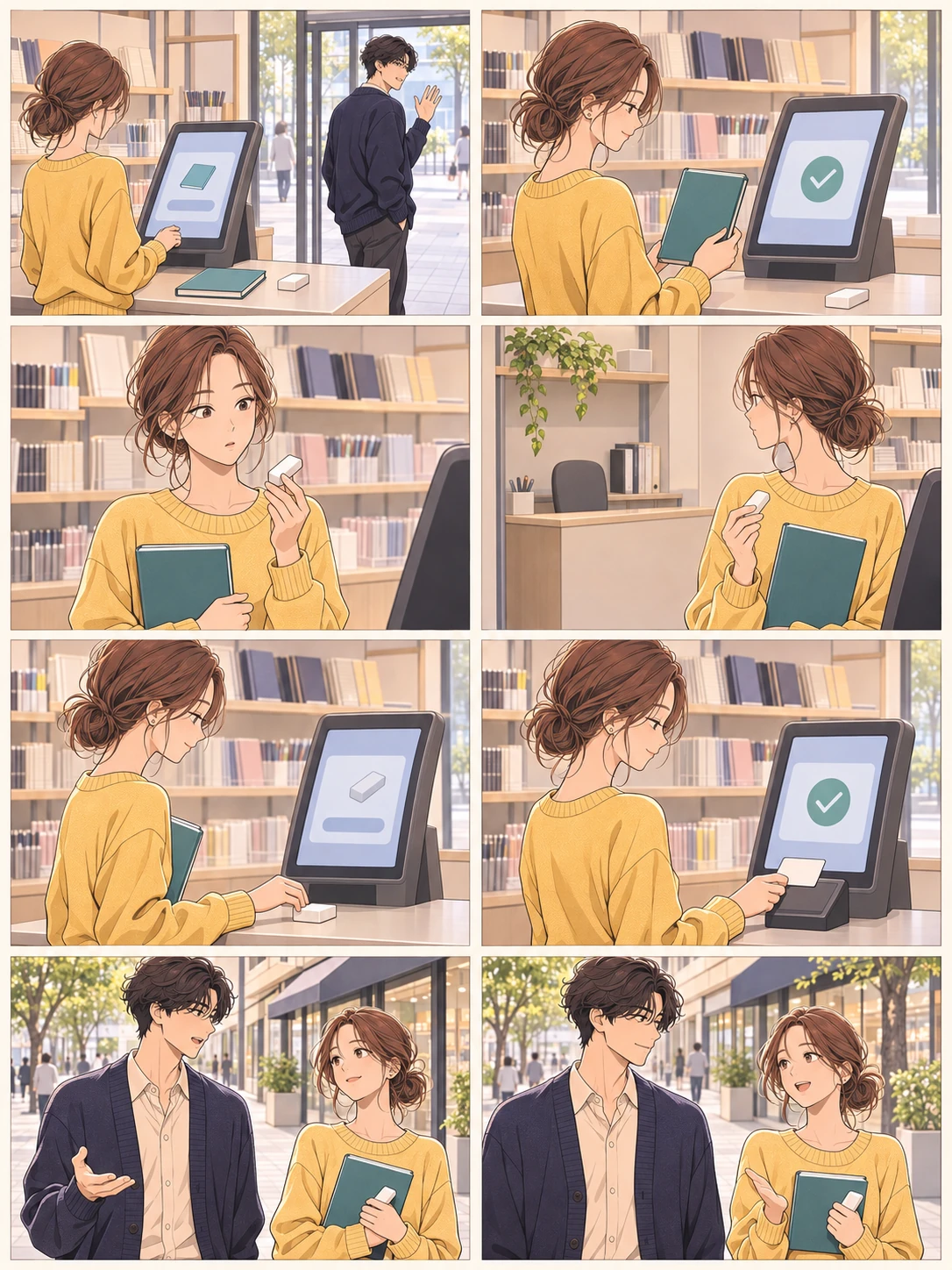
When we notice a mistake, we can choose a correction within our reach instead of looking for a watcher. Ara chose to pay for the item she had missed. This is a small exercise in finishing what was overlooked, rather than judging who deserves praise.
A modern interpretation for this story
A question to take with you
Even when I do not know who is watching, what next action will I choose after noticing my omission?
Please include the source link when sharing.
If it stayed with you, support us with a follow.
Visit one of Park Seoyeon's channels. If you enjoy a post, a like or a comment is welcome too.
Park Seoyeon is an AI-created fictional character. Visiting, signing up and following are optional. They are never required to read.
Berakhot 28b:8–11 presents a connected account of students visiting the ailing Yohanan ben Zakkai. It includes his tears and explanation of divine judgment, his blessing that they fear Heaven as they fear people, and his final requests: move vessels outside to avoid ritual impurity and prepare a chair for King Hezekiah, who is coming from above. These sayings have not been split into separate episodes. This AI-assisted modern fiction draws on his observation about merely hoping no person sees one's action. Jin, Ara, the self-service stationery shop, the additional payment for an eraser and all dialogue are invented. The original religious judgment and awe are not equated with this modern choice or converted into enforced surveillance, fear, an anxiety diagnosis, medical effects or a guarantee of life.