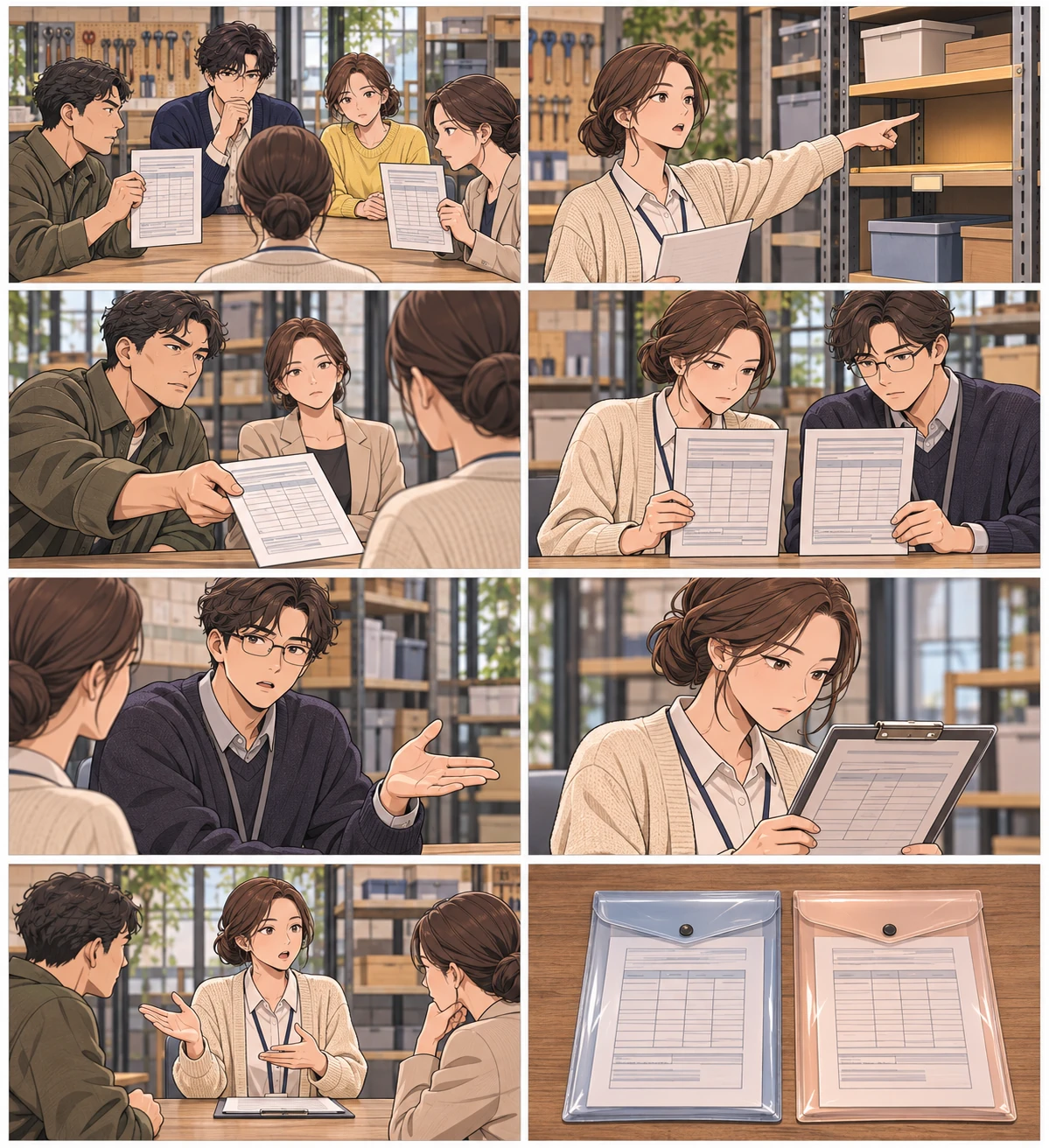
At first, the two sides did not have the same kind of record. When a second assignment document came in, the coordinator reopened the decision. The coordinator explained why the interim arrangement was changing and kept a record of both decisions. When our judgment changes, we can show what we learned that we didn't know before.
A modern interpretation for this story
A question to take with you
If new information challenges a decision I've made, what would I look at again first?
Share the question together with a link to this story.
About the source and this adaptation
In the Babylonian Talmud, Bava Batra 31b:5–9, testimony on two sides of a dispute over the same land conflicts. After one side brings additional witnesses to ancestral ownership, Rav Nahman intends to undo the earlier grant of possession to the other side. When an objection is raised, he initially says he won't act, but he does in fact reverse the earlier step. The Gemara explains that he relied on another authoritative view on the issue. The wisdom line paraphrases the decision to reverse the earlier step in segment 5. The shared storage room, the interim assignment and Jin and Ara's preservation of both records are modern fiction created with AI assistance.