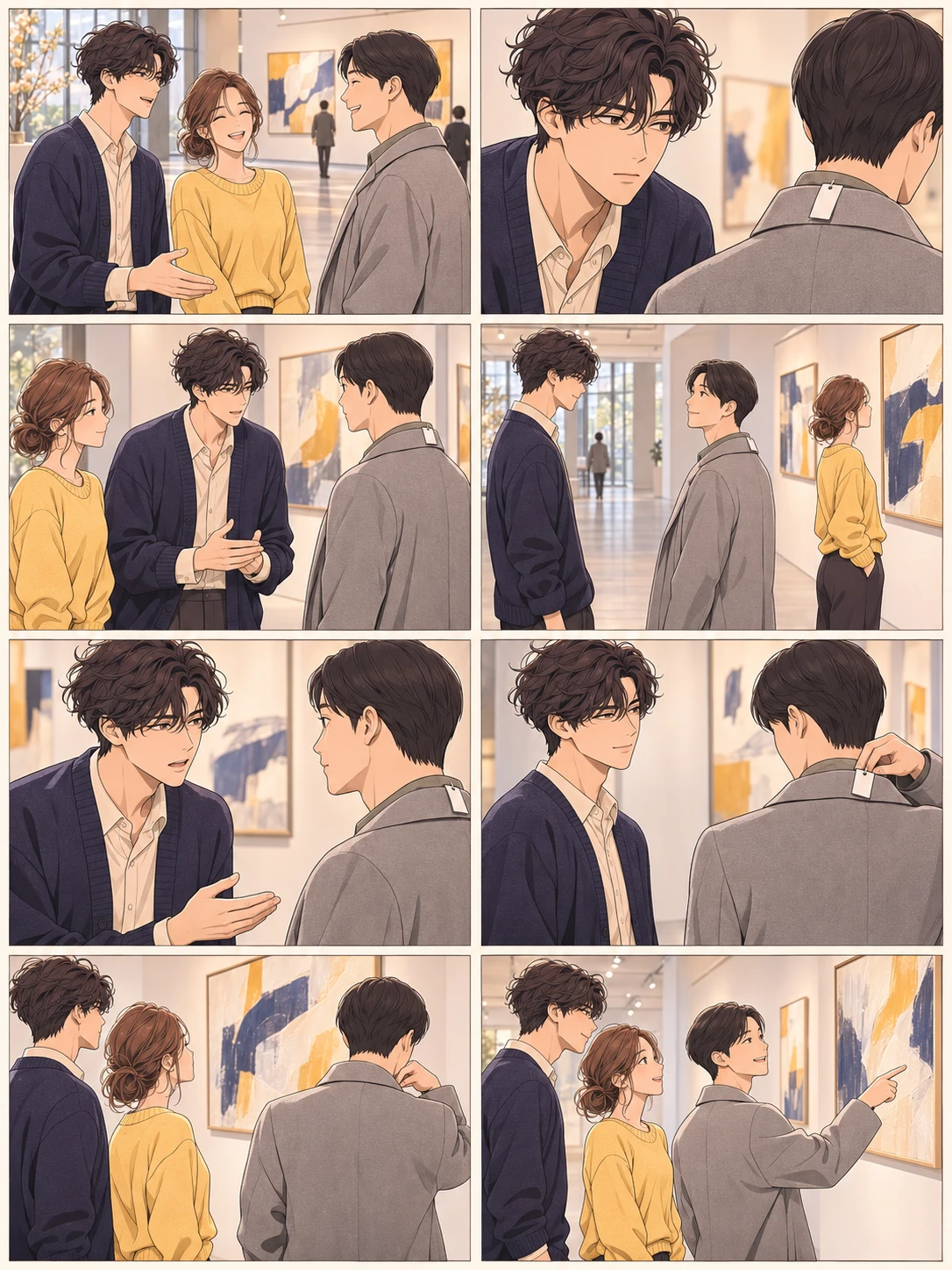
A small observation does not always need to be announced to everyone. Ask whether a quiet word is welcome, then let the person choose what to do. Reducing unwanted attention does not give us permission to handle someone else's body or belongings.
A modern interpretation for this story
A question to take with you
When offering a helpful word, am I also creating attention the person does not want?
Please include the source link when sharing.
If it stayed with you, support us with a follow.
Visit one of Park Seoyeon's channels. If you enjoy a post, a like or a comment is welcome too.
Park Seoyeon is an AI-created fictional character. Visiting, signing up and following are optional. They are never required to read.
In Shabbat 156b:2–3, Shmuel and Ablet observe a man who returns despite a prediction that a snake will kill him. A snake cut in two is found in his load. He explains that, while collecting shared bread, he acted as though accepting some from a colleague who had none, sparing that colleague embarrassment. Shmuel interprets this through a religious teaching about charity and death. It is a different encounter from Akiva's daughter's wedding, pin and snake in sections 4–5. This AI-assisted modern fiction draws only on consideration for dignity. Jin, Ara, their colleague, the gallery lobby, a blank coat tag, consent to a quiet word and the choice to tuck it in or leave it are invented. The original hardship of having no bread to contribute is not equated in scale with this minor modern awkwardness. Astrology, snakes, death and religious merit are not turned into modern benefits or guaranteed rewards.