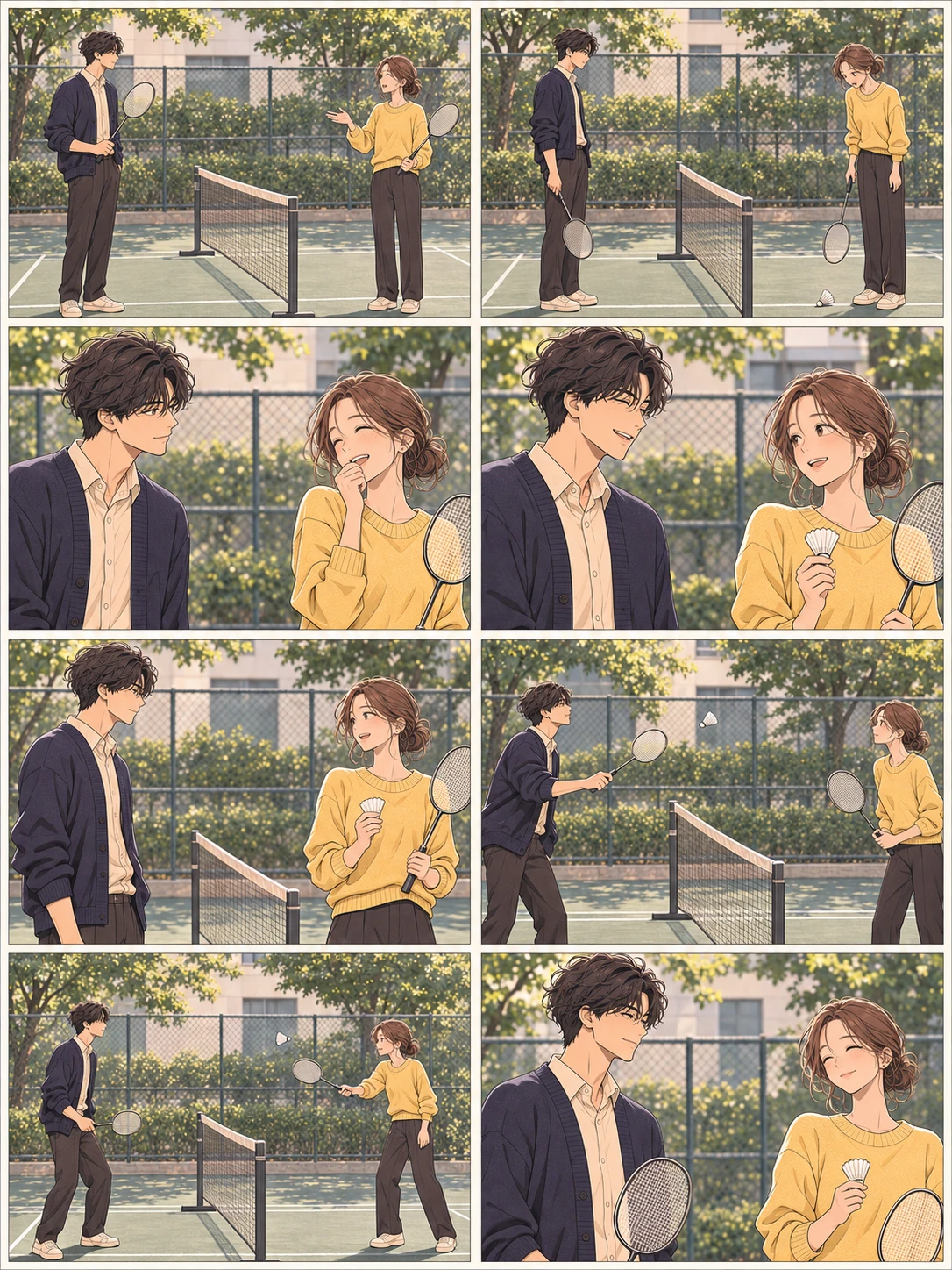
Ara smiles at her own harmless attempt, then returns to the short exchanges she agreed to try with Jin. Laughter and serious participation do not have to exclude each other. If both wish, they can share a relaxed laugh and then attend to what they have chosen to do. There is no need to make another person's mistake a joke or require laughter as a condition of joining in.
A modern interpretation for this story
A question to take with you
After laughing together, what small signal could bring us back to what we wanted to do?
Please include the source link when sharing.
If it stayed with you, support us with a follow.
Visit one of Park Seoyeon's channels. If you enjoy a post, a like or a comment is welcome too.
Park Seoyeon is an AI-created fictional character. Visiting, signing up and following are optional. They are never required to read.
Shabbat 30b:5–6 discusses joy in a religious commandment, the Divine Presence and attitudes toward teaching. Paragraph 5 distinguishes that joy from other laughter and idle talk. Paragraph 6 includes a forceful scriptural interpretation about lips that will burn without fear before a teacher, followed by differing explanations. It ends with Rabba cheering the Sages with a humorous remark before beginning to teach in trepidation. The wisdom line paraphrases only his action before teaching. This is a separate modern interpretation about returning to a shared activity after a light laugh. Jin, Ara, badminton, her joke about her own attempt, practice and all dialogue are AI-assisted fiction. Religious awe and divine presence are not made into sports principles. Laughter is not said to guarantee learning, memory, ability, health or sleep benefits, or to be required of everyone.