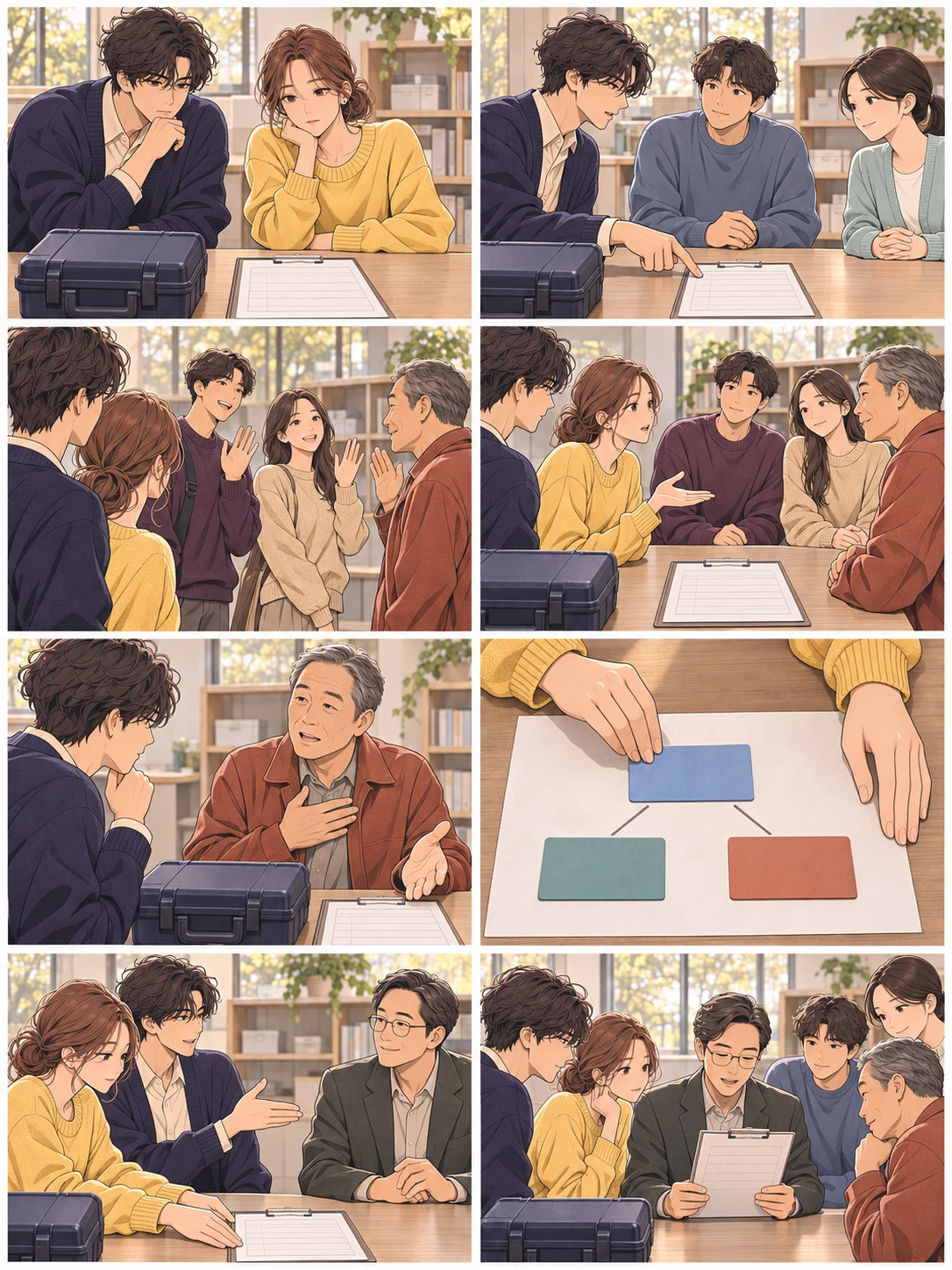
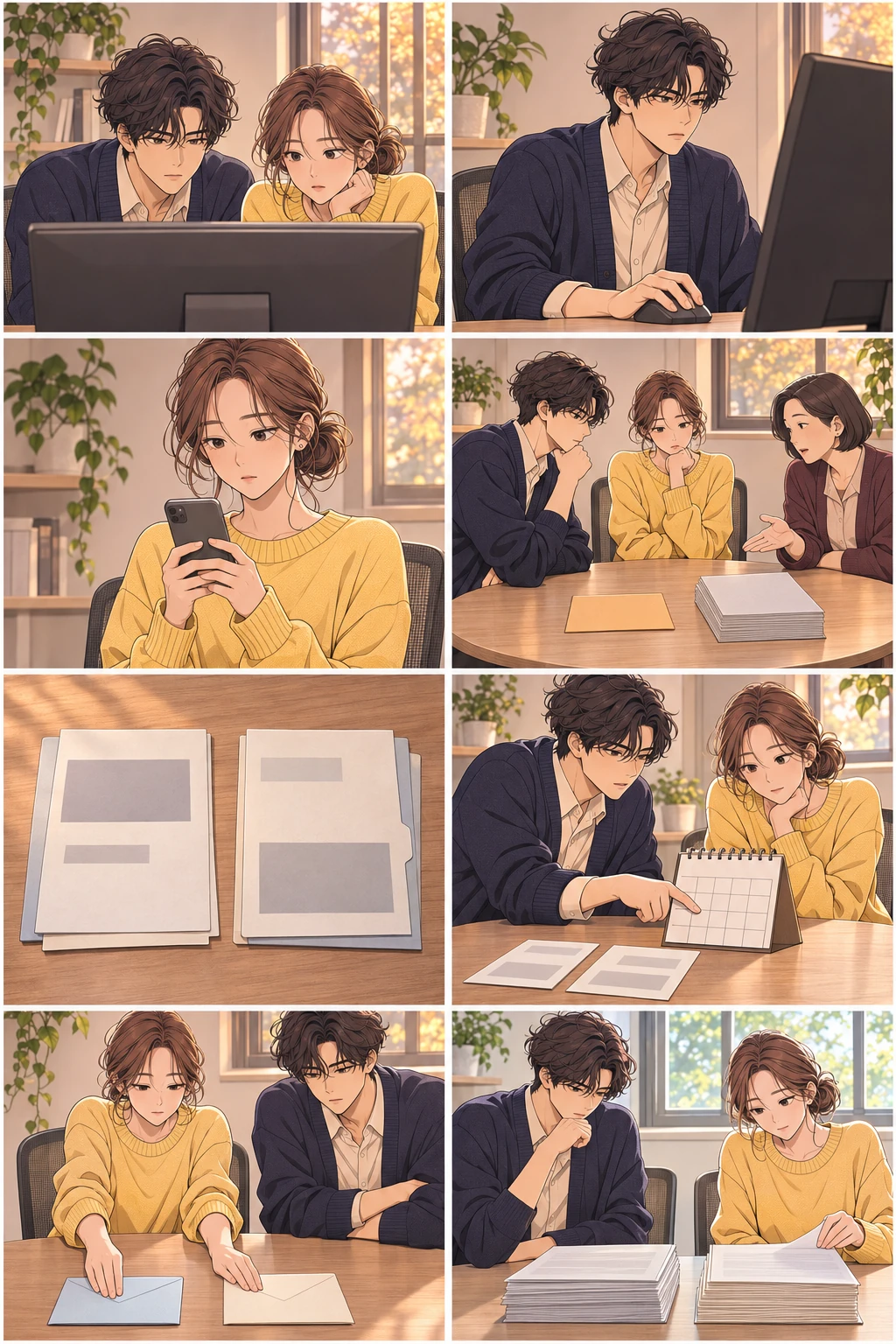
At first Jin looked only at the people borrowing the equipment and the person lending it. When Ara asked who would bear the costs, they also saw how the guarantor and the prospective signers were related. They made the relationship clear and asked someone else to review the document before anyone signed. When we look at an agreement, it can help to ask who else may be responsible if things go wrong.
A modern interpretation for this story
A question to take with you
If things don’t go as planned, who might end up taking responsibility even though I didn’t notice them at first?
Share the question together with a link to this story.
About the source and this adaptation
In the Babylonian Talmud, Makkot 7a:1, Ile’a and Tuviyya signed as witnesses on a promissory note. Both were related to the guarantor. Rav Pappa thought their signatures were valid because they were related to neither borrower nor lender. Rav Huna, son of Rav Yehoshua, says the lender can claim the debt from the guarantor if the borrower cannot pay, so the guarantor is a party too. The wisdom line paraphrases this objection. The equipment desk and the review before signing are modern fiction created with AI assistance.